Material is More Than Just a Visual Appearance
In the furniture, cabinetry, and commercial millwork industries, material selection plays a critical role. It impacts not only product aesthetics, but also manufacturability, cost control, quality, and production repeatability. Yet, in many organizations, material management is still treated as a secondary concern, often limited to a visual texture or a late-stage production note.
As a result, this approach frequently leads to well-known issues. Designers and production teams may face inconsistencies between design and the shop floor, incorrect panel selection, edge banding errors, material waste, and costly rework. In addition, standardizing internal processes becomes much more difficult.
At a time when companies are striving to improve operational efficiency and production reliability, these issues can quickly turn into costly bottlenecks.
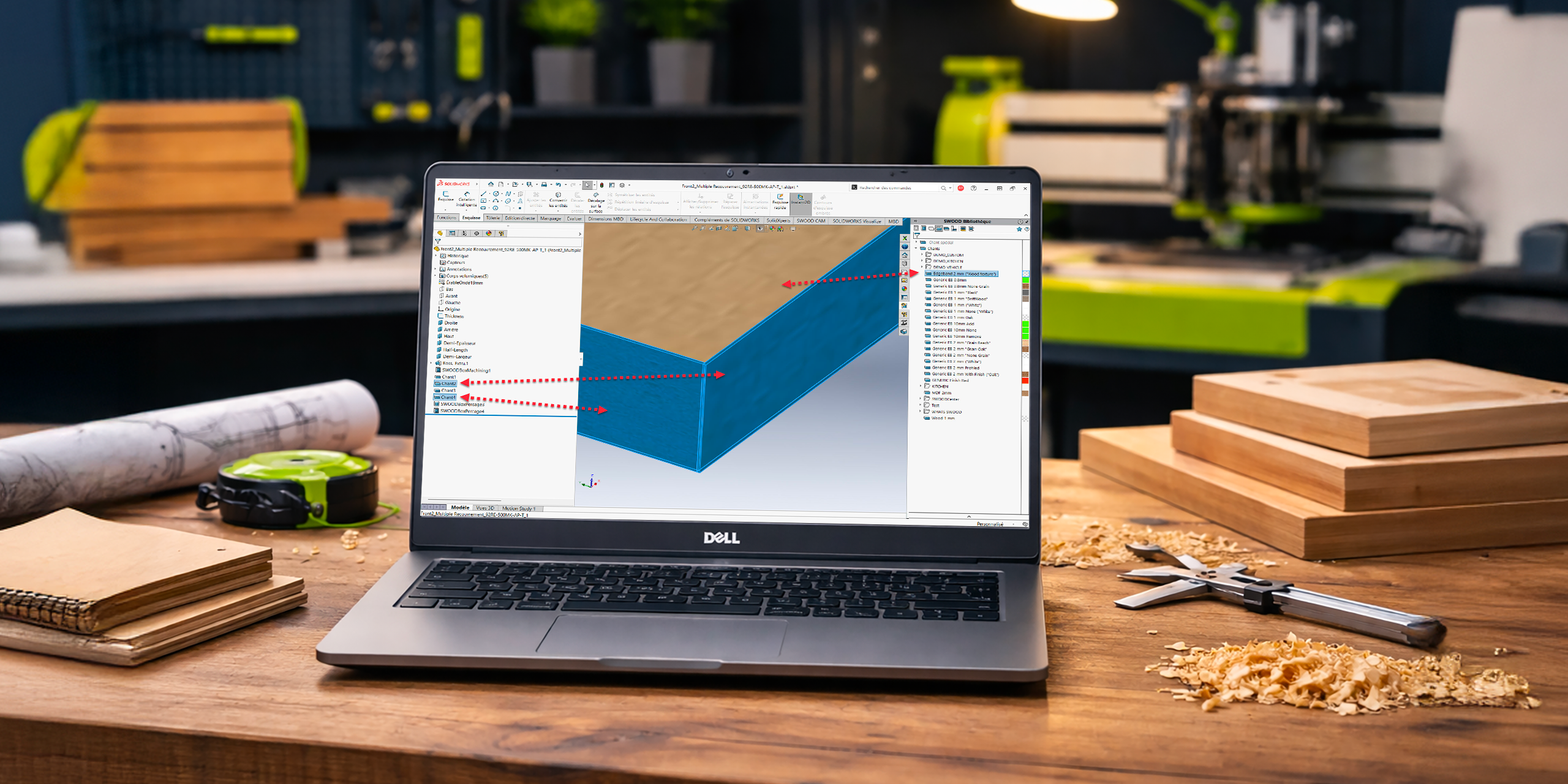
This is where the combination of SOLIDWORKS and SWOOD makes a real difference. By integrating intelligent material management directly into the design phase, SWOOD transforms materials into structured, manufacturing-ready data. As a result, this information remains consistent throughout the entire digital workflow.
The Limitations of Material Management in SOLIDWORKS
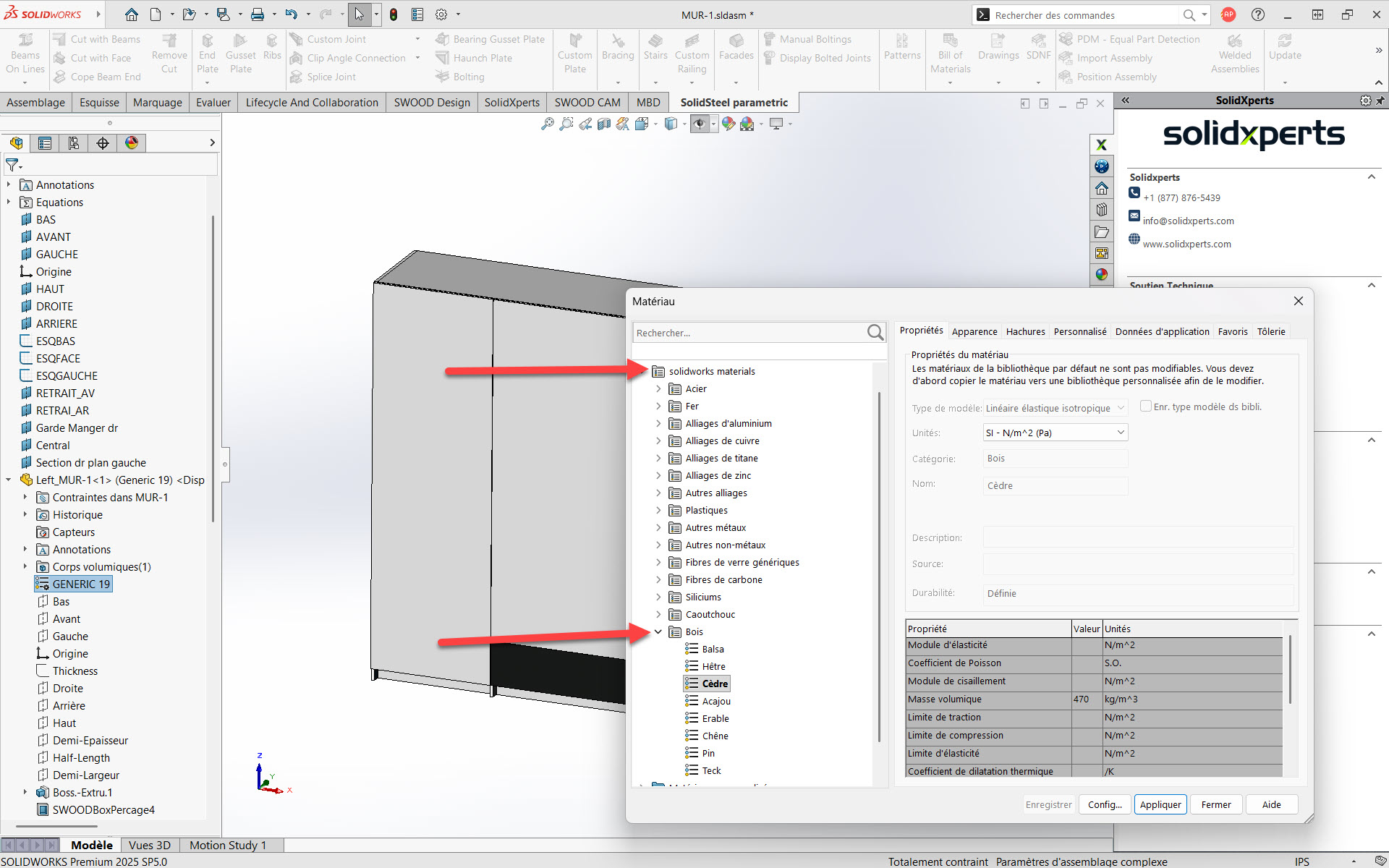
SOLIDWORKS is a powerful and flexible CAD platform, widely recognized for its robustness and parametric capabilities. In addition, it offers advanced material handling for mechanical design, including physical properties, mass calculations, and rendering. However, when applied to wood-based design, certain limitations quickly emerge.
In fact, native SOLIDWORKS materials are primarily intended for mechanical applications. As a result, they do not fully address the realities of wood manufacturing, such as:
-
engineered wood panels,
-
commercial panel thicknesses,
-
wood grain direction,
-
supplier-specific decors,
-
edge banding compatibility,
-
or CNC manufacturing constraints.
As a result, designers often rely on generic materials and manual adjustments. This information remains disconnected from manufacturing processes, forcing production teams to reinterpret design intent. The lack of continuity increases error risks and severely limits automation.
Why Material Management Is Critical in Wood Design?
In wood design, materials are never neutral. A panel is not simply a thickness and a color. Instead, it represents a supplier, a finish, compatible edge banding, machining rules, and cost implications.
Without proper material definition, several issues can arise. For example, poor material management can lead to:
-
incorrect panel usage in production,
-
edge banding mismatches,
-
nesting inefficiencies,
-
inaccurate material cost estimates,
-
and inconsistencies across similar projects.
On the other hand, structured material management allows companies to:
-
ensure design-to-production consistency,
-
reduce manual data entry,
-
improve communication between departments,
-
and secure manufacturing outcomes early in the design process.
In this context, materials become a strategic data asset, just as critical as dimensions or tolerances.
How SWOOD Structures Material Management?
Material Libraries Designed for the Wood Industry
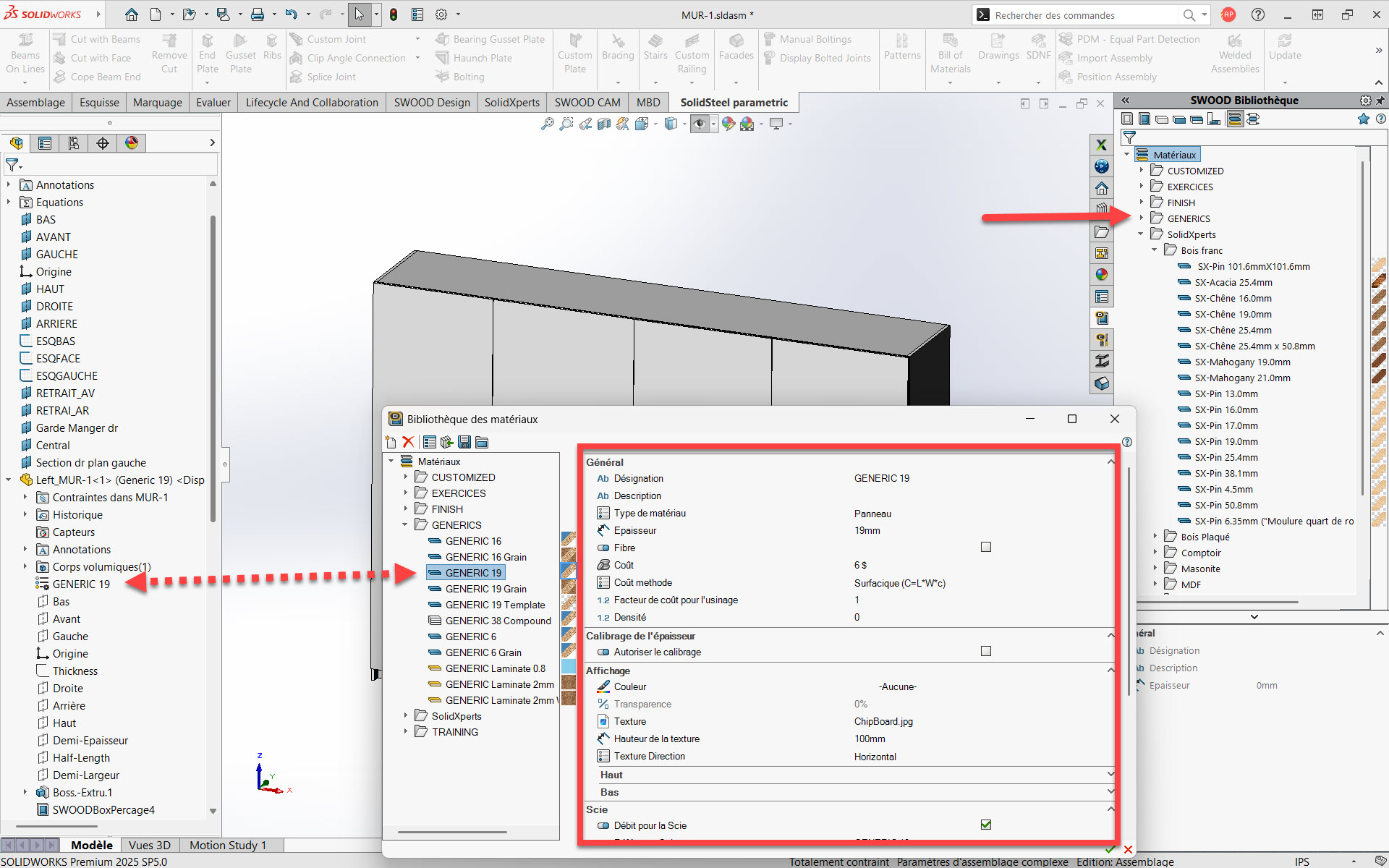
SWOOD introduces material libraries specifically developed for cabinetry, furniture, and millwork professionals. Unlike generic CAD materials, these libraries are designed to reflect real manufacturing requirements. As a result, SWOOD materials include production-relevant parameters such as:
-
actual panel thickness,
-
material type (MDF, melamine, plywood, solid wood, etc.),
-
grain direction,
-
tolerances,
-
and attributes required for bills of materials and cut lists.
These libraries can be standardized company-wide, ensuring consistent practices across all projects and designers.
Direct Link Between Materials and CNC Manufacturing
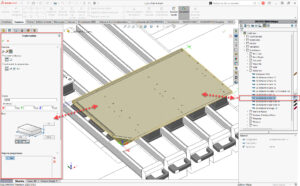
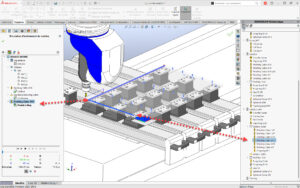
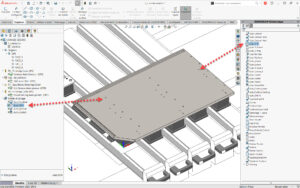
One of SWOOD’s key strengths is the direct connection between materials and manufacturing processes. Because of this, materials are no longer used only for visualization. Instead, they actively drive CNC machining behavior.
Based on the selected material, SWOOD can:
-
adapt machining strategies,
-
select appropriate tools,
-
control cutting depths,
-
and automatically prepare data for production.
This significantly reduces manual adjustments on the shop floor and improves manufacturing reliability, even for highly customized projects.
Edge Banding and Decor Management
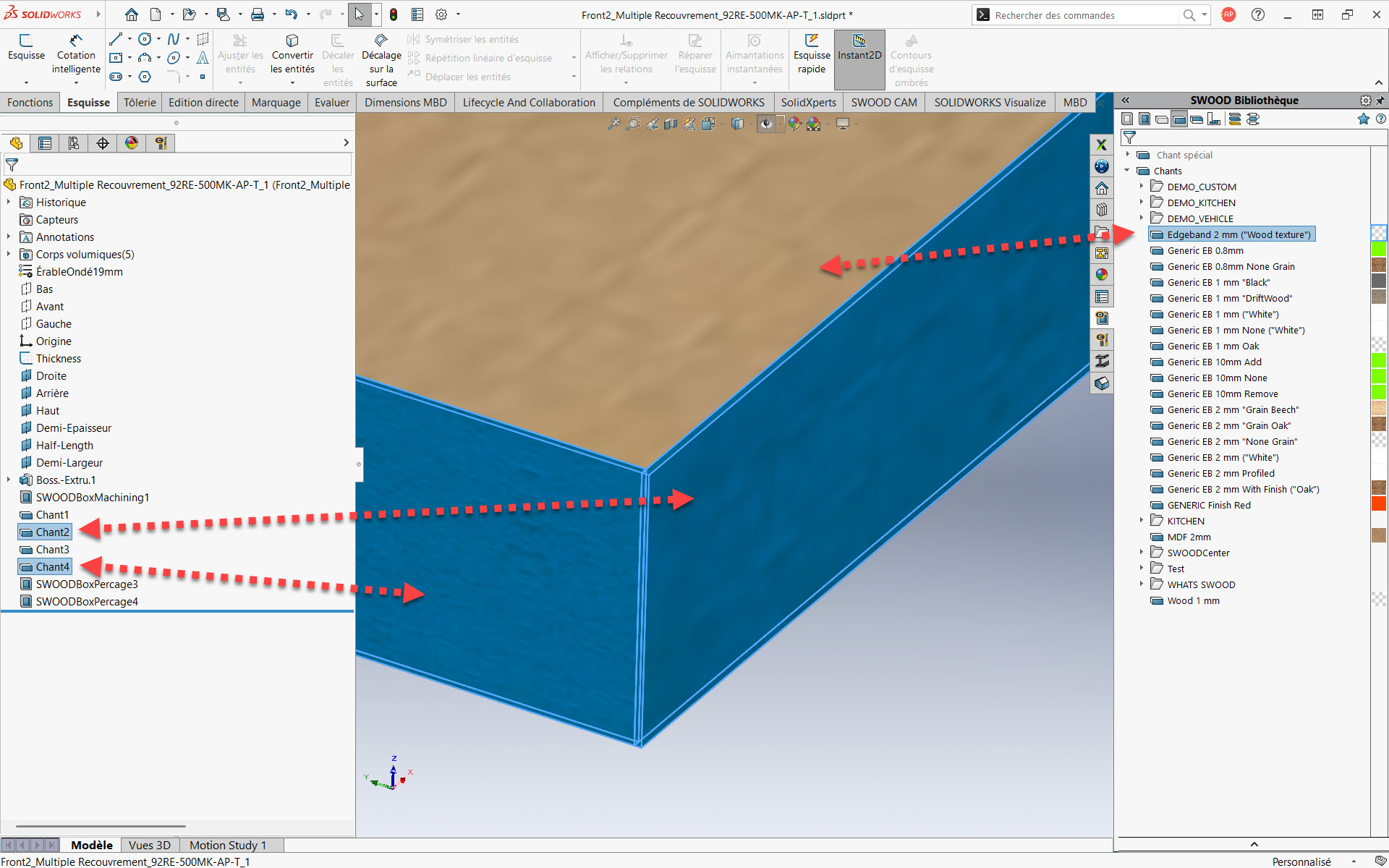
Edge banding is a critical aspect of wood manufacturing. SWOOD enables intelligent associations between panels and compatible edge banding materials.
Decors are not used solely for visualization. They are also embedded into:
-
bills of materials,
-
cut lists,
-
nesting data,
-
and shop floor documentation.
By automating these relationships, SWOOD minimizes human error and ensures consistent data from design through production.
From Design to Manufacturing: A Controlled Digital Continuity
SWOOD is built around the concept of digital continuity. Data defined during design is the same data used for manufacturing, without re-entry or reinterpretation.
A typical workflow includes:
-
Designing furniture or millwork in SOLIDWORKS with SWOOD Design.
-
Applying structured, manufacturing-ready materials.
-
Transferring data directly to SWOOD CAM and SWOOD Nesting.
-
CNC production driven by consistent and reliable information.
This approach improves traceability, reduces lead times, and increases overall production confidence.
The Impact on Costs and Industrial Performance
Effective material management directly impacts business performance. By integrating materials early in the design phase, companies can:
-
improve material cost estimation accuracy,
-
reduce waste and scrap,
-
optimize panel nesting,
-
standardize internal workflows,
-
and accelerate onboarding of new employees.
These benefits are especially valuable for growing organizations that need scalable and repeatable processes.
Which Companies Benefit Most from SWOOD Material Management?
SWOOD material management is particularly valuable for:
-
furniture manufacturers,
-
commercial millwork companies,
-
industrial cabinet makers,
-
CNC woodworking shops,
-
and organizations seeking to structure or automate their design-to-production workflows.
Regardless of company size, this approach increases reliability, productivity, and competitiveness.
Why SWOOD Is the Best Solution for Wood Design in SOLIDWORKS
SWOOD does not replace SOLIDWORKS, it enhances it. It adds a critical industry-specific layer tailored to wood manufacturing requirements. By combining SOLIDWORKS’ parametric power with SWOOD’s manufacturing intelligence, companies gain a coherent, scalable, and production-oriented environment.
This integration unlocks the full potential of the digital manufacturing chain, from design through CNC production.
Material as a Core Element of the Digital Wood Workflow
In modern wood manufacturing, materials can no longer be treated as simple visual properties. Instead, they must be managed as essential design and manufacturing data that supports the entire production process.
When material management is structured properly, companies gain much better control over their operations. With SWOOD, wood manufacturers can reduce errors, better control material costs, and improve overall production reliability.
Ultimately, integrating materials early in the design phase helps create a more consistent and efficient workflow from design to manufacturing.
Looking to improve your material management and secure your digital workflow from design to production? Solidxperts helps wood manufacturing companies implement SWOOD, train their teams, and optimize their design-to-production processes.